

Have you ever stood on a plot and still felt uncertain, even when the broker kept saying it was perfect?
That feeling matters. A plot may have a good location, a fair price and enough area on paper, yet something still feels off. Often, that doubt comes from details buyers notice only later, like poor shape, weak access, bad drainage or an uncomfortable fit with the surroundings.
This is where factory vastu and industrial plot assessment become useful.
Many people search for vastu for factory when they are actually trying to answer an earlier question: is this land right in the first place? Before any building comes up, the factory plot itself needs to be studied carefully.
Vastu Shastra (वास्तु शास्त्र) helps you do that. It looks at shape, size, slope, soil, roads, alignment and the way the land sits within its environment. If you are planning industrial land for future business use, these are the details that can save time, stress and money later.
Why Industrial Plot Vastu Matters Before You Buy
Industrial land is usually bought with long-term plans in mind.
Some buyers are setting up a business for the next generation. Some are expanding after years of work. Some are investing retirement savings into a piece of land they hope will support future income.
That is why the plot has to be judged properly before purchase.
A weak plot can create problems from the start. The boundaries may be hard to use. The road approach may limit the future main entrance. The land may hold water in a way that affects use later. These issues are often discussed later under vastu for factory, but they begin with the land itself.
A good industrial plot makes future planning easier. A poor one creates limits from day one.
What Industrial Plot Vastu Actually Looks At
Industrial plot Vastu is built around balance, usability and alignment.
It draws from the five elements, or Panch Mahabhutas (पंच महाभूत): earth, water, fire, air and space. In practical land terms, this affects weight, drainage, openness, heat exposure and movement.
Direction also matters. In Vastu, land is often studied through 16 zones. These include North, North-North-East, North-East, East-North-East, East, East-South-East, South-East, South-South-East, South, South-South-West, South-West, West-South-West, West, West-North-West, North-West and North-North-West.
These zones help explain how a plot handles roads, slope, open areas and surrounding pressure. They are also used by some people to understand energy flow, energy fields and the movement of positive energy across a site.
Whether one sees that in spiritual or practical terms, the key idea is the same: the land should feel balanced and workable.
Start With the Plot Shape
The shape of the plot affects nearly everything that follows.
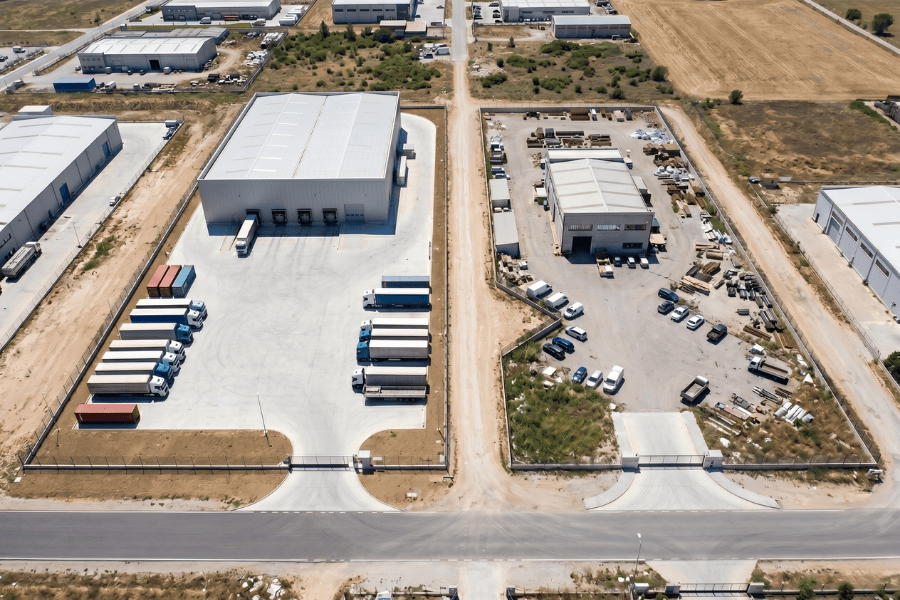
Square and rectangular plots are generally preferred because they are easier to use and easier to plan. They offer more clarity for access, open space and future expansion.
Irregular plots can be harder to manage. They may create dead corners, uneven pressure or awkward use along the edges. Buyers are often drawn to them because the rate seems lower, but the long-term cost can be higher.
This becomes clear when planning begins. A plot may look large enough, but if one end narrows too much, the usable area becomes less than expected.
In many industrial areas, buyers later realise that an awkward shape not only affects the layout, but also leaves less practical room for movement, service lines and future growth.
Size Matters, But Only When It Works With the Plot
Bigger is not always better.
A larger plot with poor shape or weak alignment can still be less useful than a smaller plot that is easier to work with. Size should support present needs and leave room for the future.
The plot should not feel tight from the start. It should allow flexibility for later use, even if the first phase is small.
This is especially important for buyers who plan ahead. A person in their 50s buying industrial land may not only be thinking about today’s need. They may be thinking about how the site could support one or more industrial units later.
Check the Slope Before You Make a Decision
Slope is one of the easiest things to overlook and one of the hardest to ignore later.
In industrial plot Vastu, a slope towards the North, North-East or East is often seen as favourable. This is linked to balance and natural site flow.
From a practical point of view, slope affects drainage. If the land traps water, even a well-located plot can become frustrating in the rainy season.
Many buyers only notice this after purchase. A site that looked dry and level in summer may reveal low-lying patches during the first monsoon.
These are the moments when simple vastu tips given before purchase would have made a real difference.
Soil and Surface Condition Need Attention
The land itself should be read carefully, not just the sale details.
In traditional Vastu, soil has always been important. In industrial use, it matters even more because the site may later need to support heavier activity, vehicles, stored materials and built structures.
A plot with unstable soil can increase construction cost and create future risk. The surface condition also matters. Land that has been neglected, filled badly or used for dumping can hide problems.
This is especially relevant if the plot may later support storage of raw materials, site services or space around machines and movement areas.
| Factor | What to Check | Why It Matters |
|---|---|---|
| Plot Shape | Prefer square or rectangular plots | Regular shapes are easier to plan and usually create fewer long-term issues |
| Plot Size | Check current use and future expansion needs | The plot should work today and still support growth later |
| Plot Slope | See whether the land slopes towards the North, North-East or East | This is generally preferred in Vastu and often supports better drainage |
| Soil Quality | Review stability and construction suitability | Poor soil can raise costs and create future risk |
| Road Access | Study entry, exit and external movement | Good access improves daily use and long-term value |
| Surroundings | Look at nearby structures, roads and open land | The outside environment affects how the site feels and functions |
| Alignment | Confirm actual direction properly | A rough directional assumption can lead to wrong decisions |
| Water Drainage | Check whether rainwater can move out easily | Poor drainage can become a recurring headache |
| Open Space | See whether the plot allows breathing room | Open space supports flexibility, movement and comfort |
| Future Use | Think beyond the first plan | Industrial land should not become restrictive too soon |
Road Access and the Future Main Gate
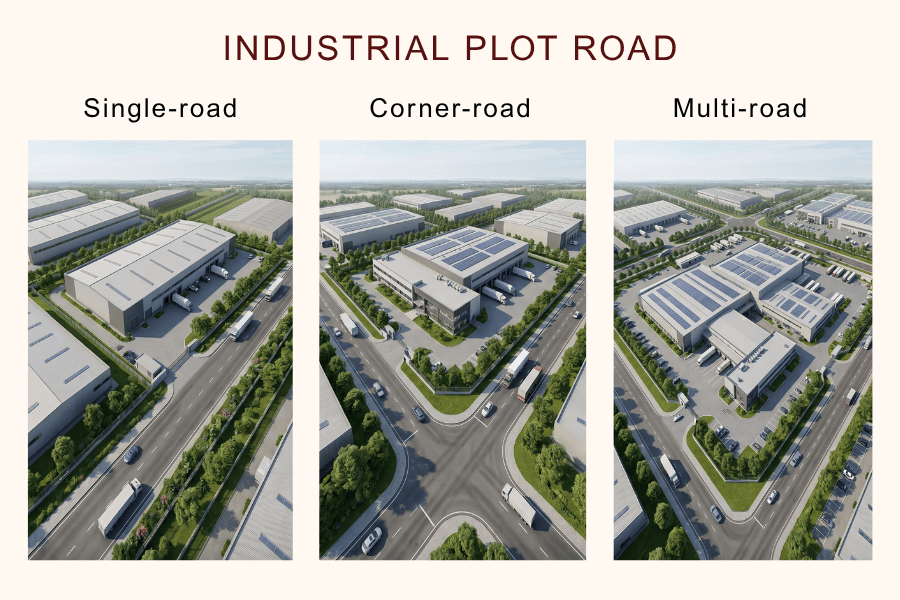
A plot may be in a strong location and still be difficult to use if access is poor.
Industrial plot Vastu gives importance to roads because they shape movement, approach and value. If vehicles cannot enter smoothly, daily use becomes harder.
This is where the future main gate and daily movement should be imagined before purchase. The road width, turning ease and natural entry point matter more than many buyers realise.
A plot may also look attractive because it has multiple road connections. But unless those roads support the intended use, the advantage may be more visual than practical.
The Surroundings Change How the Plot Works
Industrial plot Vastu does not stop at the boundary line.
The surroundings matter because they shape the feel and function of the land. Nearby buildings, open plots, junctions, slopes, water bodies and visible obstructions all influence the site.
A plot beside a busy road may seem commercially strong, but access may feel stressful. A plot near open land may feel better, but the future use of that open land should also be considered.
This is also where thoughts about compound walls and the boundary wall begin. A plot does not exist in isolation. The way it meets its surroundings affects how secure, open or pressured it feels.
Direction and Alignment Need a Proper Reading
Many buyers reduce Vastu to one line: North-facing is good, East-facing is better.
Real site assessment is more careful than that.
A plot may be described one way in conversation and read differently on site. That is why direction should be checked properly in relation to actual North, the road edge, the slope and the surrounding pattern.
This is where experienced Vastu experts usually take a wider view. The land should not only face a certain way. It should also feel balanced in how it receives roads, open space and support from the surrounding environment.
Why Open Space Around the Plot Matters
A good industrial plot should not feel trapped.
Open space adds breathing room and makes the site easier to adapt over time. It helps with light, movement and future changes in use.
This matters in Vastu because land is not judged only by what is built. It is also judged by what is left open and how that openness supports balance.
Over time, this affects comfort and even future productivity if the site is developed for regular use. A tight plot often becomes difficult much sooner than expected.
| Plot Aspect | What Is Generally Preferred | Why It Helps |
|---|---|---|
| Shape | Square or rectangular | Easier to plan and more balanced in use |
| Size | Enough for current and future needs | Supports growth without making the site feel tight |
| Slope | North, North-East or East | Helps drainage and supports a lighter site feel |
| Soil | Stable and construction-ready | Reduces long-term risk |
| Roads | Practical and easy to approach | Makes the plot easier to use daily |
| Alignment | Accurate directional reading | Supports better decision-making |
| Surroundings | Balanced and non-obstructive | Improves comfort and future flexibility |
| Open Space | Adequate breathing room | Keeps the plot usable as needs change |
Common Plot Problems You Should Notice Early
Not every weak plot looks weak at first glance.
Some issues only become clear when you slow down and observe properly. Buyers should watch for a few common signs:
- Highly irregular shape
- Cut or missing corners
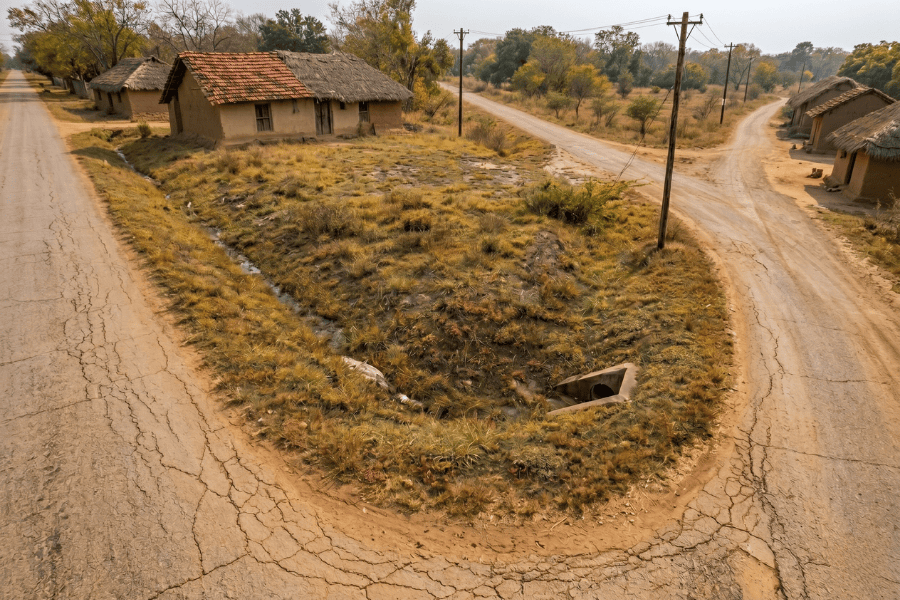
- Low-lying sections
- Poor drainage
- Weak road approach
- Confused alignment
- Heavy surrounding pressure
- Very little room for future expansion
These issues may later be described as a kind of vastu dosh, but in practical terms they are often signs that the plot will be harder to use well.
A real example is common in industrial belts. A buyer focuses on price and ignores that the back side narrows sharply towards the Southwest Corner. Later, that part of the site becomes difficult to use and the whole plot feels unbalanced.
Think Ahead to Future Use, Not Just the Empty Land
Even if you are buying only the plot today, it helps to think a little about future use.
Will the land comfortably support an industry later? Will there be enough room for storage, vehicle movement and support areas? Could the plot handle the practical needs of manufacturing without feeling forced?
This does not mean drifting into full building design. It simply means judging whether the land could sensibly support future needs like factory sheds, space around machinery, movement of workers, storage of finished goods and service elements such as overhead water tanks.
In some cases, buyers also need to think about external service placement linked to electricals or utility access near transformers. These details should not dominate the plot decision, but they should not be ignored either.
Can a Defective Industrial Plot Be Corrected?
Some defects can be improved. Some cannot.
Minor issues such as level adjustment, access changes or surface treatment may be manageable. More serious issues like severe shape distortion, weak surroundings or long-term drainage problems are harder to solve properly.
That is why industrial plot Vastu is most useful before purchase.
It is much easier to avoid the wrong plot than to spend years trying to fix it later.
Industrial Plot Vastu Is Different From General Property Buying
Industrial land should not be judged like a home plot.
A residential buyer may focus on neighbourhood feel, convenience and budget. A buyer choosing industrial land must think more broadly.
The plot should support future movement, access, openness and flexibility. It should also be suitable for the kind of site activity that may come later, whether that involves light use, storage or business expansion.
That is why factory vastu often starts long before any building is built. The quality of the land shapes everything that follows.
A Simple Way to Review a Plot Before You Say Yes
Before you decide, ask a few basic questions.
Does the shape feel balanced? Does the slope support drainage? Is the soil dependable? Are the roads practical? Do the surroundings help the site, or do they create pressure?
Then ask something even simpler.
Does the plot feel clear and workable, or does it already feel like a compromise?
That instinct matters. Often, the right plot feels easier to accept because fewer things feel forced.
Final Thoughts
Industrial plot Vastu is not about making land buying harder. It is about making it wiser.
A good plot should have a practical shape, suitable size, manageable slope, reliable soil, sensible access and supportive surroundings. It should be aligned properly and leave room for future use.
These are the details that help a plot support you over time, instead of creating avoidable stress later.
If you are planning to buy industrial land, study the plot carefully before you commit. A thoughtful decision at this stage can save major trouble later.For professional guidance on plot Vastu, residential Vastu, commercial Vastu, hotel Vastu and office Vastu, you can explore Vastu Ananda. They also offer a Vastu Basic Course and Vastu Advanced Course for learners.
FAQs
Which plot shape is considered best for industrial use?
Square and rectangular plots are generally preferred because they are believed to support better balance, planning, and smooth movement within the space.
Which direction is considered favourable for the main entrance?
North, east, and northeast-facing entrances are often considered favourable, depending on the type of industry and the plot layout.
Where should heavy machinery be placed?
Heavy machinery and equipment are commonly recommended in the south, southwest, or west zones of the industrial unit.
Which area is suitable for raw material and storage?
Storage for raw materials and heavy goods is generally preferred in the south, southwest, or west areas to maintain balance in the premises.
Where should water sources be placed?
Borewells, underground water tanks, and other water-related elements are often recommended in the north, northeast, or east zones.