
Does a room in your home feel too heavy, too exposed or strangely unsettled, even when everything looks fine?
Very often, the issue lies in the placement of the doors or windows.
In Vastu Shastra, these openings do much more than bring in light and air. They influence how energy enters the home and how comfortable each room feels.
A poorly placed opening can make a bedroom feel restless, a kitchen feel stuffy, or a pooja room feel distracted. A well-placed one can make the house feel calm, balanced and welcoming. That is why this part of home architecture deserves careful attention, especially in Indian homes where direction and room use matter deeply.
This guide explains Vastu for windows with advice for homeowners and families.
Why Doors & Windows Matter in Vastu
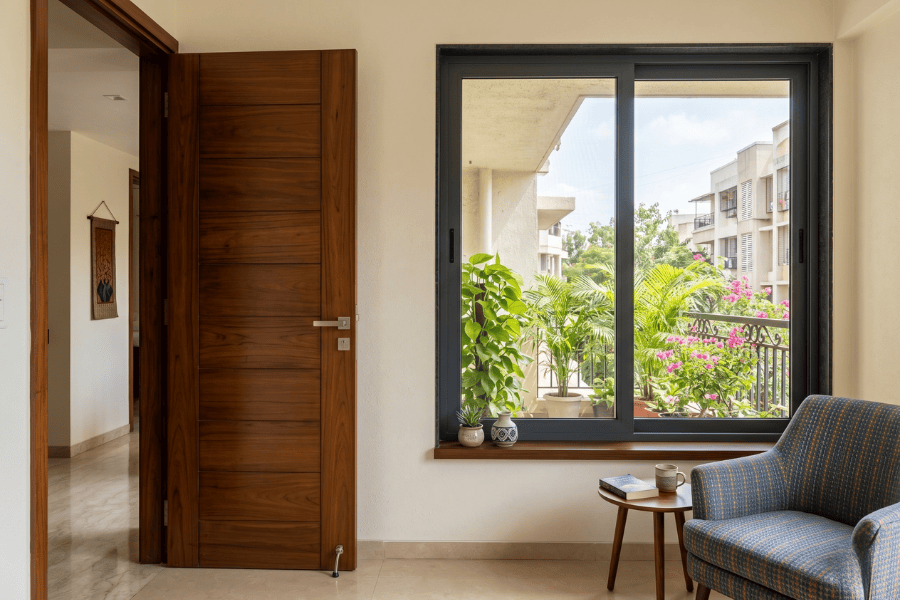
Windows are not just architectural features in Vastu. Openings like doors and windows guide the movement of light, air and subtle energy through a house.
The house’s main door receives energy first. Windows direct how that energy spreads and settles in each room. So their direction, size, number and placement should support the function of the room and follow sound Vastu principles.
A bedroom opening should support rest, calm and privacy. A kitchen opening should support movement and release. A pooja room opening should bring gentle light without disturbing the sacred feel of the space.
Windows also affect the positive energy flow and balance of the five elements — Earth (पृथ्वी), Water (जल), Fire (अग्नि), Air (वायु) and Space (आकाश). East-facing windows bring freshness and clarity, while North-side windows support openness and flow.
When doors and windows are planned properly, the home feels balanced. When they are random, oversized, blocked or badly placed, the house may feel uncomfortable even if the interiors look attractive. They can disturb stability, create discomfort and weaken the overall energy of the house.
That is why window placement is a serious part of Vastu planning, not just a design choice.
उत्तम दिशाएं – Which Direction Is Best?
In most Indian homes, East-facing windows and North-side windows are the most supportive. These sides usually allow a more favourable flow of light and energy into the house.
East (पूर्व) is the direction of the rising sun and brings light, clarity and fresh life force into the home. It carries the energy of Indra (इंद्र) and supports alertness, purity and a positive start to the day.
North (उत्तर) is linked with Lord Kuber (कुबेर), the god of wealth, and supports flow, opportunity and prosperity. Windows in these directions make a room feel lighter, more open and more supportive for daily life.
South and South-West need more control. South brings stronger heat and intensity, while South-West (दक्षिण पश्चिम) is the zone of stability, weight and grounding. Large or dominant windows in the South-West weaken that stability and disturb peace in important family spaces. South-East (दक्षिण पूर्व), linked with Fire (अग्नि), also needs careful handling so that the room does not become too sharp or imbalanced.
South-East Windows and South-West areas should always be reviewed carefully within the full plan.
In Vastu Shastra, a home is also studied through 16 directional zones, not just the main 8. These are:
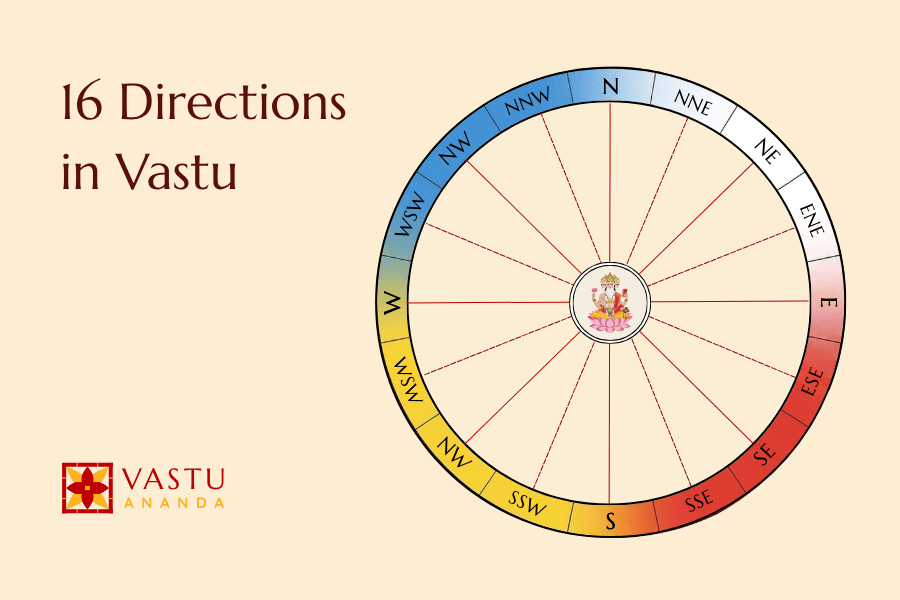
Each zone carries a different quality of energy. That is why the exact position of an opening matters, not only the broad direction. An expert vastu consultant can study your house plan according to Vastu Purush mandal and exact directions to analyse the effects of your windows and suggest remedies.
Where Should They Be Placed in a House?
Windows should be placed in parts of the house that support the natural function of each room and strengthen the energy of the zone. In Vastu, this means allowing more openness in the North, North-East (उत्तर पूर्व) and East, while keeping the South-West more closed, grounded and protected.
The best position is one that keeps the room balanced and comfortable. Any opening should bring in light and energy without creating disturbance. A window should never disturb the stability of an important zone or create exposure in a room that needs privacy.
In practical terms, well-placed doors and windows usually do the following:
- Support natural light
- Allow fresh air to move through the room
- Keep the wall visually balanced
- Work smoothly with the furniture layout
- Avoid making the room feel exposed
This planning should also connect well with the main door (मुख्य द्वार) and the main gate, because the flow of energy begins there and continues through the house. Good door vastu is not separate from the opening placement. It works together as one system.
Getting the Size, Height and Shape Right
According to Vastu, a window that is too small restricts light, airflow and openness. A window that is too large in the wrong zone weakens containment and makes the room feel unsettled. This is especially important in bedrooms, family rooms and South-West areas where stability is essential.
The most important points are:
- Size should match the room
- Height should feel proportionate to the wall
- Shape should be simple and balanced
- Design should not dominate the room unnecessarily
Simple, rectangular forms are the most common and harmonious choice in Vastu Shastra. They support order and proportion. Very unusual shapes, excessive ornamentation or visually dominant designs disturb the calm structure of the wall. Decorative styles can still be used, but they should blend naturally into the overall design.
In traditional homes, teak wood and teakwood finishes are often preferred because they bring warmth and dignity. Metal frames can also be used, but they should not feel harsh or visually heavy.
Why Ventilation Matters So Much
Ventilation matters in Vastu because stagnant air creates stagnant energy. A house should breathe properly for the Air element (वायु) and Space element (आकाश) to remain balanced.
A house should never feel stale. When rooms stay closed, dark or stuffy, the energy becomes heavy and dull. This affects mood, clarity and the overall feel of the home. Good placement allows healthy movement through the rooms and prevents energy (ऊर्जा) from becoming stuck.
This is especially important in older independent homes and in flats where some rooms remain closed for most of the day. A well-placed opening on one side and a supporting opening on another side can make the house feel much more alive.
Cross-flow is helpful when it supports a smooth and natural movement of energy. It should not make the room feel harsh or overexposed.
How Many Openings Should a House Have?
There is no one fixed number that suits every house. The ideal number depends on the layout, room use and overall balance of the home.
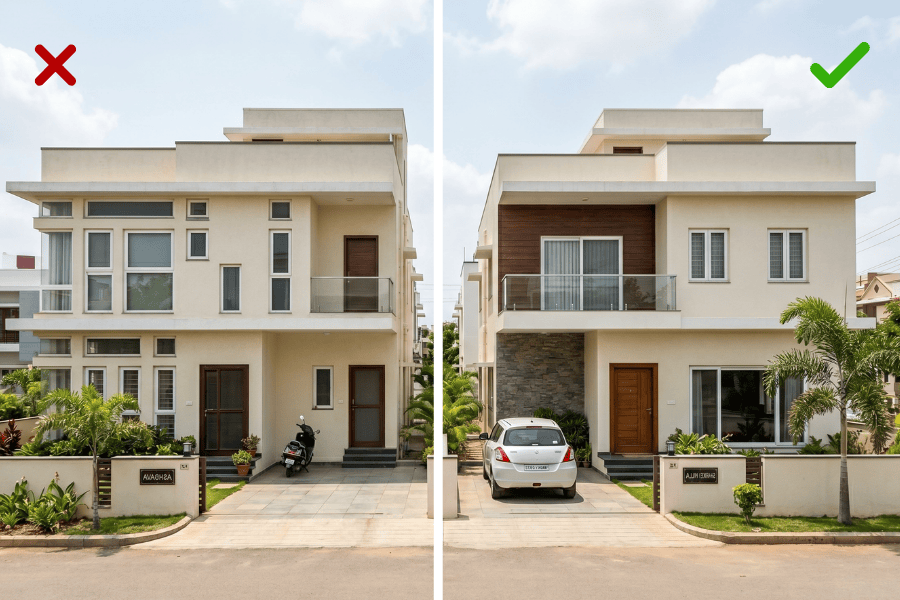
Vastu does not prescribe one fixed number of windows for every house, but it does value order, balance and rhythm. That is why even numbers such as 2, 4 and 6 are often preferred. Even numbers create visual symmetry and support a more settled energy pattern in the home.
At the same time, numbers alone should not guide the whole decision. A house with too many windows can feel exposed, scattered and difficult to stabilise. A house with too few windows can feel blocked and lifeless. The correct number depends on the room size, wall balance, direction and overall layout. In Vastu, proper placement is always more important than blind counting.
A common example is a newly built home with many openings added only for appearance. It may look modern, but the family may still feel that the rooms are too exposed or lack stability. That is where practical Vastu tips become valuable.
Bedroom Openings Need Extra Care
The bedroom is where the body and mind settle down. For that reason, bedroom openings should bring light and comfort without disturbing sleep.
North (उत्तर) and East (पूर्व) are usually the preferred directions here. These directions help the room feel lighter and calmer. The opening should not be so large or dominant that the room feels open in a way that reduces privacy.
This becomes even more important in the master bedroom. Many couples prefer a room that feels protected and peaceful, not overly bright or exposed. In such cases, window placement should support rest first.
Is a Window Behind the Bed Good or Bad?
In most cases, it is better to avoid placing the bed directly under a large opening or pushing the headboard against it. A solid wall behind the bed gives a stronger sense of support.
This is a common issue in modern flats where the bedroom plan leaves little flexibility. If the bed comes directly under the opening, the room may feel less settled.
A practical Vastu Shastra approach is to reduce the dominance of that side and make sure the bed still feels anchored. The room should feel private, calm and secure at night.
Kitchen and Pooja Room Guidance
Kitchen openings should support movement and release. In many Vastu-based layouts, the kitchen is placed in the South-East. Within that space, an East-side opening is often considered beneficial.
A larger opening in the East can help the kitchen feel lighter and more active. A smaller opening on the opposite wall can also help maintain flow. If the home has herbs or small plants near the kitchen side, they should be kept neat and not allowed to block the opening.
The pooja room (पूजा घर) needs a different treatment. It should feel quiet, respectful and undisturbed. An opening here should bring in soft light, not harsh glare. The space should remain airy, but never distracting.
South-Facing and South-West Openings: What To Do
South-Facing Windows are not automatically a defect, but they should be handled carefully. If they are too large or placed without balance, the room may feel heavy or uncomfortable.
South-West zones need even more attention. This area is linked with stability in Vastu Shastra, so large or dominant openings here can be sensitive. Southwest planning should always be handled thoughtfully, especially in bedrooms and family spaces.
The right approach is to look at the room as a whole and restore balance where needed. Useful steps may include:
- Reducing the visual dominance of the opening
- Using suitable curtains or coverings
- Keeping South-Facing Windows clean and functional
- Reviewing the room layout before making major changes
Colours, Materials and Common Mistakes To Avoid
Colours for these window openings should feel gentle and suitable for the home. Light shades, natural finishes and clean surfaces usually work best in Vaastu. Doors and windows should look settled, not harsh.
Wood is often preferred in traditional Vastu Shastrabecause it carries warmth and dignity. Teak Wood remains a trusted choice in many homes. Modern materials can also work if the design remains balanced and the finish is not too severe.
A few mistakes should always be avoided:
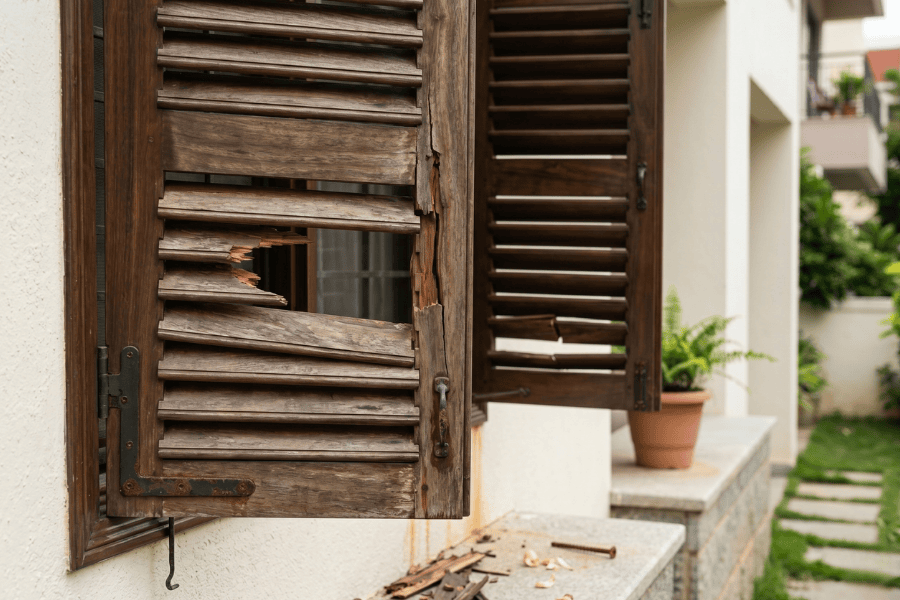
- Broken shutters
- Cracked glass
- Noisy hinges
- Dirty frames
- Neglected opening areas
- Blocked openings
Even small issues matter. A broken pane in a back room, a bird’s nest blocking part of the opening or a jammed kitchen shutter can disturb the sense of order and energy in the home.
Final Thoughts on Window Vastu
Window Vastu is really about how a home feels when you live in it every day. The right direction, proper placement, balanced size and suitable treatment can make a visible difference to peace, comfort and energy.
The key points to remember are simple:
- East and North are usually the easiest directions to work with
- Bedrooms need support and privacy
- Kitchens need movement and ventilation
- Pooja rooms need soft light and calmness
- South-Facing Windows and South-West openings need careful handling
When reviewing your home, always look at the full picture. An opening should never be judged in isolation. Its role depends on the room, the zone and the overall plan of the house. Want to check the window placement in your home? Book your consultation with Vast Ananda today!



































































































