In Vastu Shastra (वास्तु शास्त्र), lift placement shapes how energy flows through a building. Since an elevator creates constant vertical motion, it affects balance, stability and the flow of the five elements: Earth, Water, Fire, Air and Space.
When a lift is placed correctly, it supports smooth movement, better functionality and a more settled atmosphere. But one placed in the wrong zone can disturb harmony, weaken stability and create pressure in the sensitive areas of a property.
This guide explains how to choose the right elevator position as per Vaastu principles for different directions, plot types and building uses. It also covers common mistakes and practical remedies so you can plan with clarity.
Importance of Lift Vastu
In vastu, moving structures should never disturb zones meant for calmness, purity or spiritual strength. Lift vastu matters because lifts are heavy structures with moving parts, shafts, motors and repeated upward and downward movement. They influence energy circulation across floors, the load distribution of the building and the strength of directional zones.
This becomes especially important in the North (उत्तर), East (पूर्व) and North-East (उत्तर पूर्व), where lighter and more open energy is preferred as per vastu. If these zones become blocked by a heavy shaft or constant movement, the property starts losing its natural balance.
Guidance for Lifts in Homes vs Commercial Buildings
The same rule does not apply in the same way to every building. A home needs peace, family well-being and emotional stability. A commercial building needs movement, access and operational efficiency.
So the lift should support the purpose of the property.
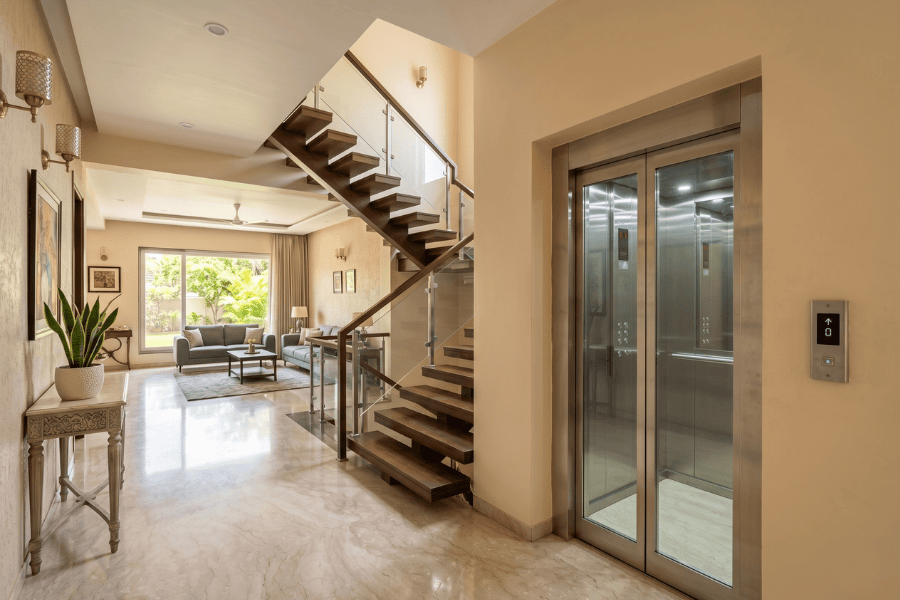
Home lifts should blend into the layout without disturbing the Brahmasthan (ब्रह्मस्थान) or the North-East. Residential lifts should feel supportive, not dominant.
In commercial buildings, elevators naturally handle more movement. Even then, they should not cut into the most sensitive zones. Commercial spaces can handle stronger activity in practical zones such as South-East or North-West (उत्तर पश्चिम), depending on the layout.
Here is a simple comparison:
| Building Type | Best Vastu Approach for Elevators |
|---|---|
| Home | Keep the lift away from Brahmasthan and North-East |
| Offie | Place the lift where circulation is smooth but energy-sensitive zones stay protected |
| Hotel | Prioritise the movement and convenience of guests while keeping the centre clear |
| Retail or Commercial Complex | Use active zones carefully, avoid burdening spiritually light areas |
Lift Positions as per Vastu Shastra
In most cases, lift placement should be decided after studying the facing direction, plot shape, entry point and internal layout. The goal is not only to fit the lift physically but to place it where its weight and movement do not damage the building’s energetic structure.
Guidelines for North and East Facing Spaces
For North-facing and East-facing buildings, care is essential because these directions carry highly beneficial energy. In such properties, avoid placing the elevator in the exact North-East corner because this area governs spiritual clarity and purity.
You should also avoid blocking the main energy flow from the North or the East. Keep these zones lighter, cleaner and more open. You can place the elevator slightly away from the pure directional corner if needed
An elevator can sometimes be managed on the northern or eastern side if it is not occupying the pure zone and if the design keeps openness intact.
Recommendations for South and West Facing Spaces
South-facing and West-facing properties often allow more flexibility for lift placement. These sides can carry more load and structure when planned properly.
In general:
- South and Southwest (दक्षिण पश्चिम) should remain stable and heavy, but not hollowed out carelessly
- The West can take structural mass better than the North-East
- Southeast can work in some layouts because it is already an active zone linked to Fire element (अग्नि)
- North-West can also support movement in select commercial or multi-storey designs
The elevator should sit in a zone that can handle activity without weakening the most powerful corners of the property. Southwest needs special care because it should remain strong and grounded. If the lift shaft creates a cut, emptiness or imbalance there, it can weaken control and long-term stability.
Here is a practical directional guide:
| Direction | Vastu View for Lift Placement |
|---|---|
| North-East | Avoid completely |
| Centre | Avoid completely |
| North | Use with caution, avoid pure zone blockage |
| East | Use with caution, protect openness |
| South-East | Often workable in active layouts |
| West | Often manageable with proper planning |
| North-West | Can suit movement-oriented designs |
| South-West | Generally avoid if it weakens the corner |
Special Considerations for Corner Plots
Corner plots need extra attention because they receive energy flow from two road-facing sides.
This changes how movement, access and directional strength behave. For corner plots:
- Identify which side is more open and more active
- Keep the most auspicious corner free from a heavy elevator core
- Avoid placing the elevator where it cuts the diagonal energy flow
- Plan the elevator with the gate, stairs and main door together
A North-East corner plot needs especially careful planning because both lightness and openness become even more important. A South-East or North-West corner plot usually gives more flexibility for placing active utilities.
Effects of Lifts in the Brahmasthan
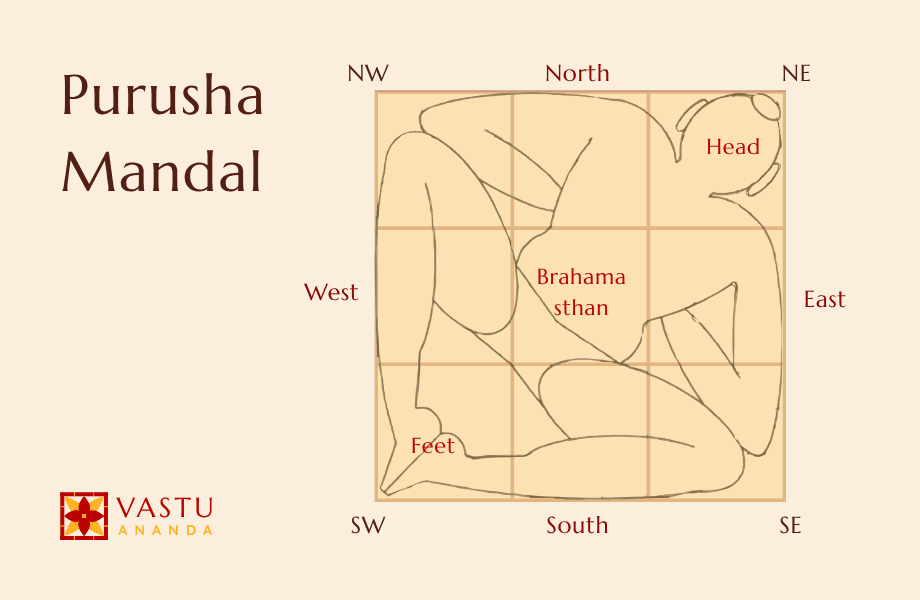
The Brahmasthan is the energetic centre of a building. It is linked with Space (आकाश), openness and Brahma (ब्रह्मा). This zone should remain light, clear and as free from obstruction as possible.
An elevator in the Brahma Sthan creates one of the strongest lift vastu defects because it introduces constant movement in the central energy field and structural heaviness in the most sensitive zone. This also causes noise, vibration and interruption at the core of the layout.
This often leads to instability in the property’s atmosphere. People may feel mental restlessness, tension or lack of grounding. It can affect organisational balance in commercial settings and disturb family unity and peace at home.
Common Mistakes in Lift Placements
The most common mistakes include:
- Placing the elevator in the Northeast or the Brahmasthan
- Placing it directly opposite the main door
- Cutting an important corner with the shaft
- Combining elevator, staircase and other heavy services in one sensitive zone
These errors can lead to blocked prosperity in the North and disturbed clarity in the East. It can also weaken the spiritual and Water (जल) energy in the North-East and cause instability in the centre.
When the elevator is badly placed, the building may feel heavy, rushed or unsettled even if the design looks modern.
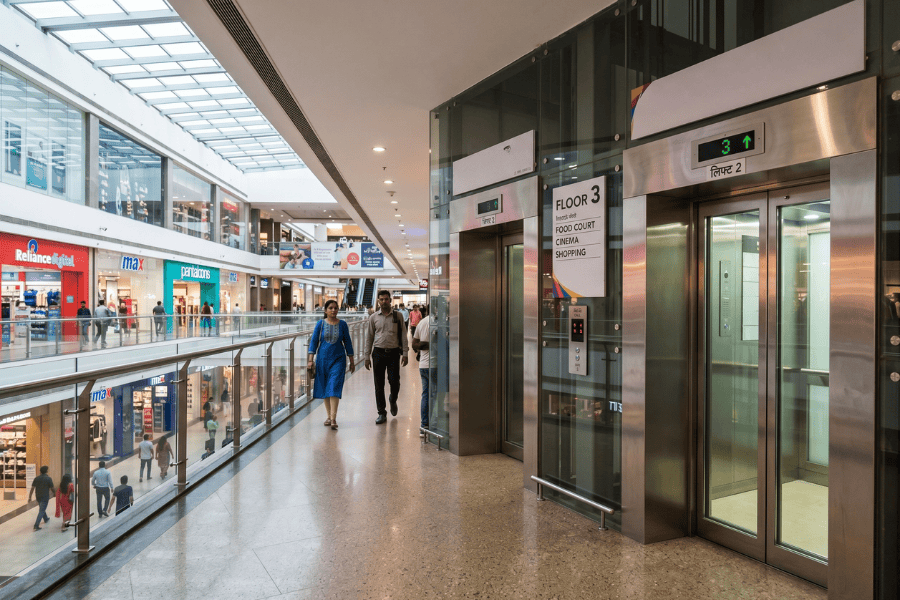
Vastu Shastra Remedies for Incorrect Lift Installation
The best remedy is always proper planning before construction and lift installation. But if it is already built, some corrective steps can reduce the defect.
Possible remedies include:
- Strengthening the affected direction through space management
- Keeping the North-East clean, bright and uncluttered
- Correcting nearby imbalances in Water, Fire or Earth zones
- Using Vastu-based material, colour and symbolic correction methods as advised by a vastu specialist
- Improving the energy flow of the main entrance and the surrounding layout
A remedy should match the exact vastu defect. An elevator in the Brahmasthan needs a different approach from one in the North-East or South-West. Generic fixes do not work well.
If your property is already in a difficult zone, book a lift vastu consultation with Vastu Ananda for practical guidance on lift placement, layout correction and property-specific remedies.
Final Thoughts
Lift position as per Vaastu Shastra affects movement, weight distribution and energetic balance across the whole property. When placed incorrectly, it creates a deep structural disturbance that is not easy to ignore later.
The safest vastu rule is to protect the North-East, keep the Brahmasthan open and place the elevator in a zone that can handle movement without harming the core energy of the building. Whether you are planning a home, office, hotel or commercial property, correct lift installation creates long-term benefit.
FAQs
1. What is the best lift position as per vaastu?
The best position depends on the property layout, but in general the lift should stay away from the North-East and the Brahma Sthan. Southeast, West or North-West may work better in many layouts.
2. Can an elevator be placed in the North-East?
No. The North-East is one of the most sensitive zones in vaastu. A heavy and moving structure there disturbs purity, clarity and flow.
3. Is a lift in the centre of the house good?
No. The centre or Brahma Sthan should remain open and light. A lift in this area creates a major Vastu defect.
4. Are lift vastu rules for homes and commercial buildings different?
Yes. Commercial buildings can handle more movement, but sensitive zones still need protection. Homes require greater calmness and energy balance.
5. What if my elevator is already in the wrong place?
You should assess the exact defect and apply remedies based on the direction, building type and surrounding layout. Expert guidance is the best option.